Local Attractions
This is just a small selection of the amazing attractions and local eateries in the area.
The course claim to fame is that you can play one round of golf in two separate countries, courtesy of Offa’s Dyke running through our course. On the 4th hole you tee off in Wales and putt out in England. The 5th and 6th hole remain in England before you are cordially welcomed back into Wales on the 7th tee.
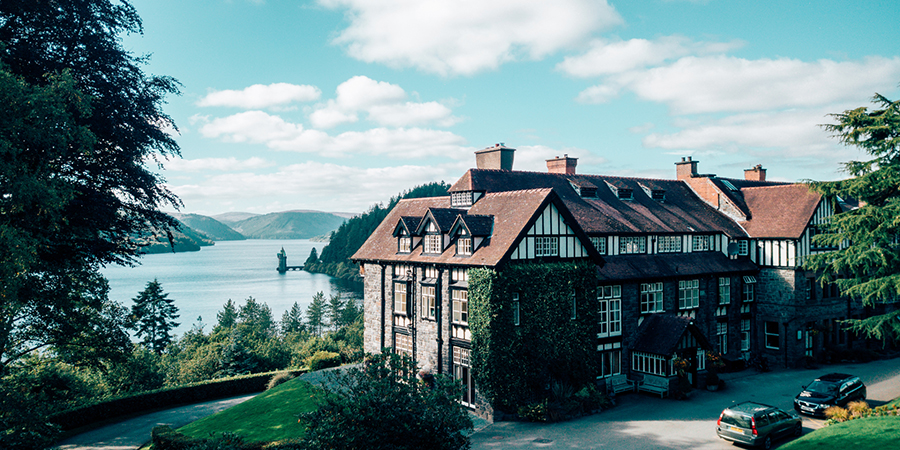
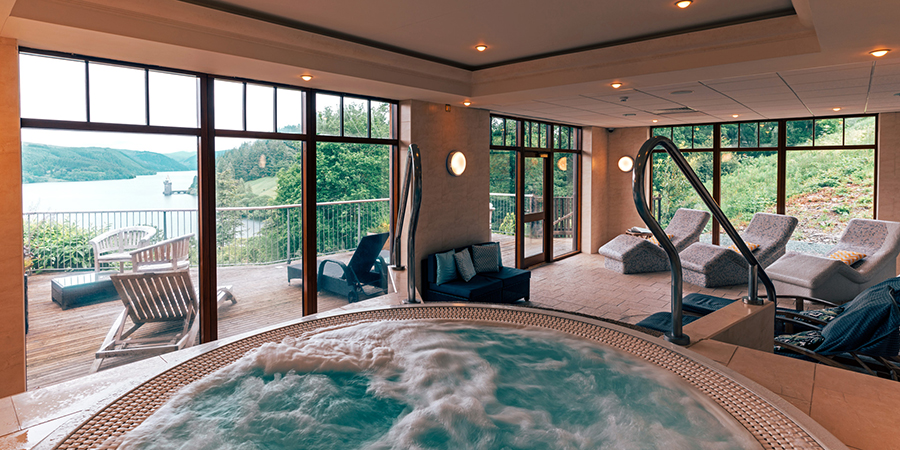
Leave behind the hustle and bustle of the towns and cities, and escape to one of Wales’ most extraordinary lakeside hotels. Admire the dam and straining tower, a spectacular Victorian Masterpiece, and surround yourself with waterfalls, woodlands and the striking scenery of the Berwyn Mountains.
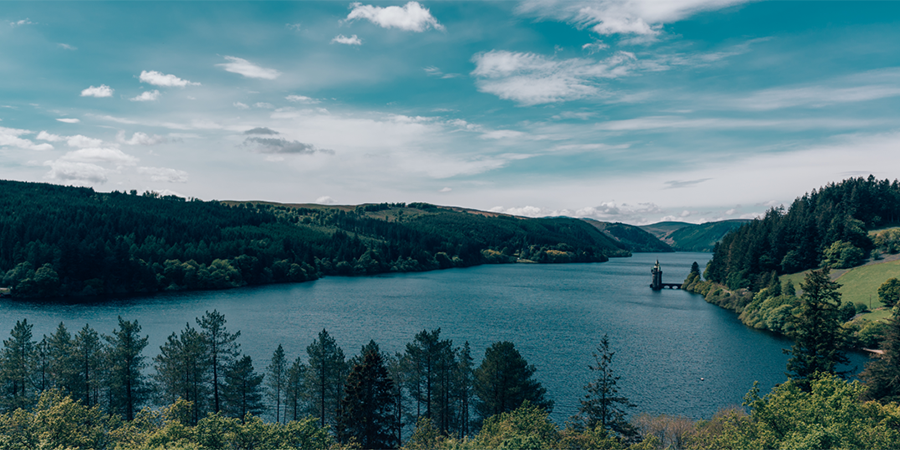
Just on the edge of The Snowdonia National Park and south of Lake Bala, Lake Vyrnwy is set amidst the remote and beautiful Berwyn Mountains. With spectacular waterfalls, and unspoilt open countryside, a visit to Lake Vyrnwy is a wonderful day out for all the family. A short drive from the Shropshire border (The Welsh Marches) it is an easy day out from Birmingham, Liverpool, Chester or Manchester and is the perfect base for exploring Snowdonia, The Welsh Marches and the coast from Harlech to Aberystwyth.
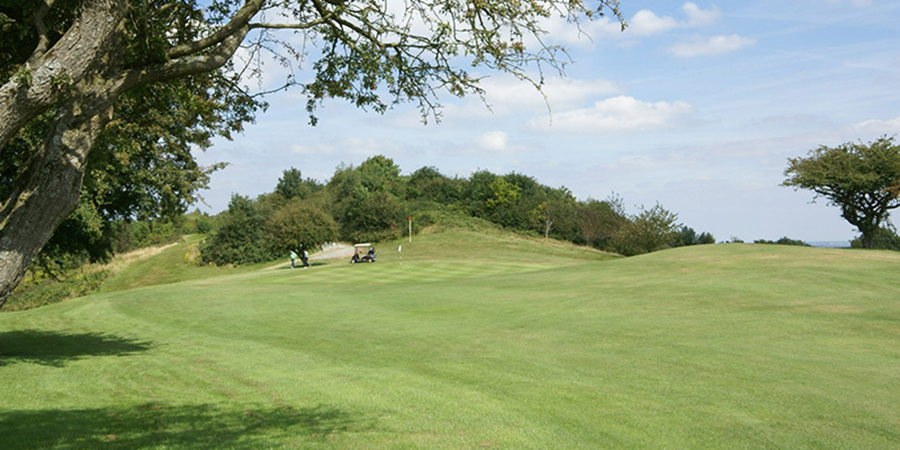
The course claim to fame is that you can play one round of golf in two separate countries, courtesy of Offa’s Dyke running through our course. On the 4th hole you tee off in Wales and putt out in England. The 5th and 6th hole remain in England before you are cordially welcomed back into Wales on the 7th tee.
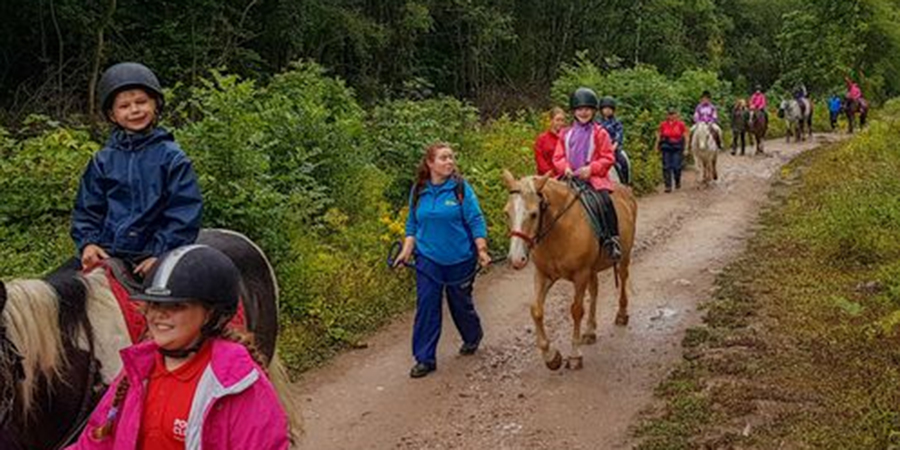
Established over 47 years. Open 7 days a week we accommodate all abilities from ages 4 years upwards, with experienced and qualified staff to make your lessons or rides out challenging rewarding and safe. Set on Llynclys nature reserve with miles of bridle ways , and being away from the madding crowd we can take hour rides out without using any public roads. Whether your a beginner, intermediate or experienced rider we can cater lessons in our Indoor arena and our outdoor arena, rides outs , stable management or riding holiday for you.
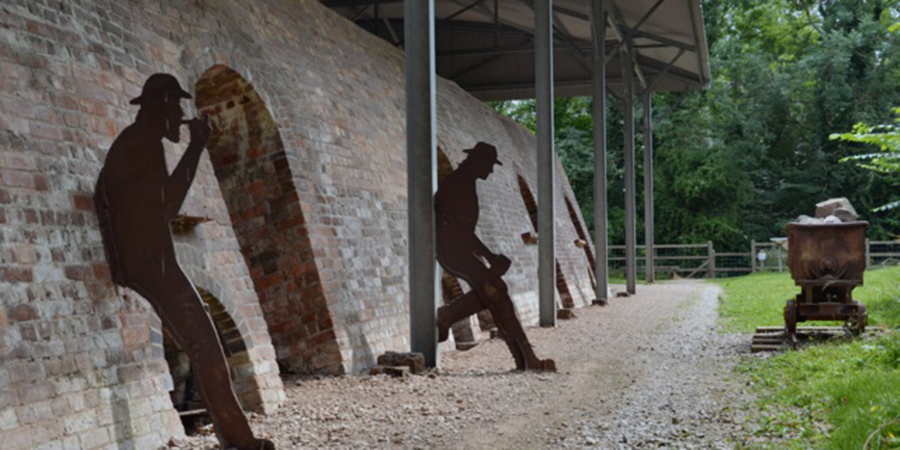
The general area around Llanymynech is one of considerable historical importance, containing a number of monuments of national significance ranging indate from prehistory to the early 20th century.
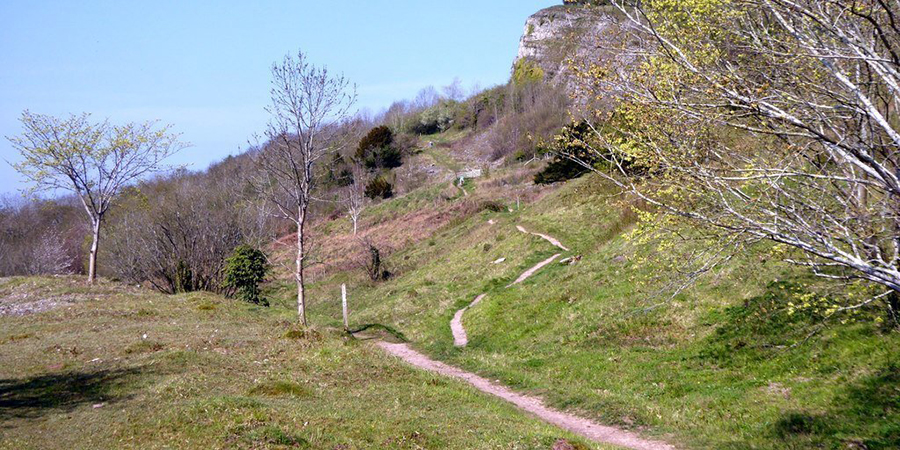
This section meanders undulatingly between England and Wales, passing through some fascinating industrial archaeology heritage sites, and a plethora of English settlements with distinctively Welsh names.
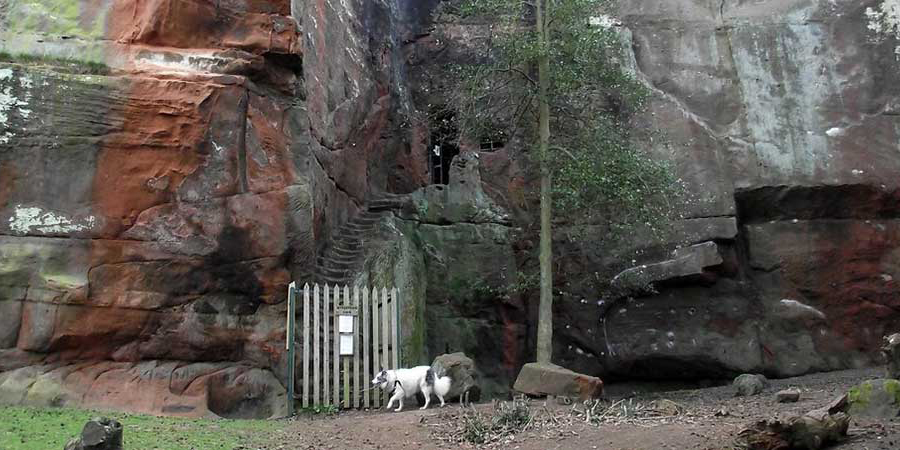
A short drive away – about 20 mins. Nesscliffe hill is a sandstone escarpment and is now a country park with various footpaths through the woods. To the north of the hill the ramparts of an old hill fort are present. An old sandstone quarry face forms a spectacular cliff, popular for rock climbing. Cut into the cliff face is a cave reputedly the hideaway of the highwayman Humphrey Kynaston & his horse.
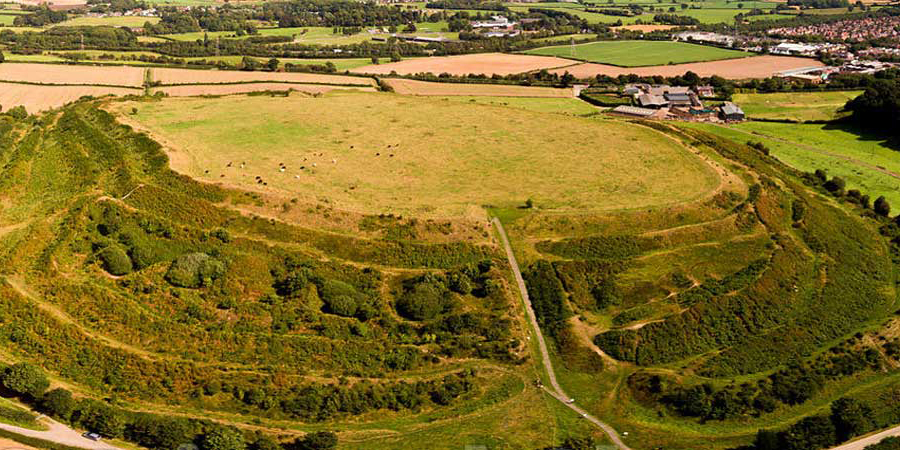
Old Oswestry Hill Fort – this spectacular, dramatic & mysterious 3,000-year-old hill fort marks the beginning of one of Britain’s oldest settlements, Oswestry. Old Oswestry was built and occupied during the Iron Age (800 BC to AD 43) and is one of the best-preserved hill forts in Britain. It is on the outskirts of town and a short climb will reward you with views of both the town and the county of Shropshire, especially impressive when the spring bluebells are out.
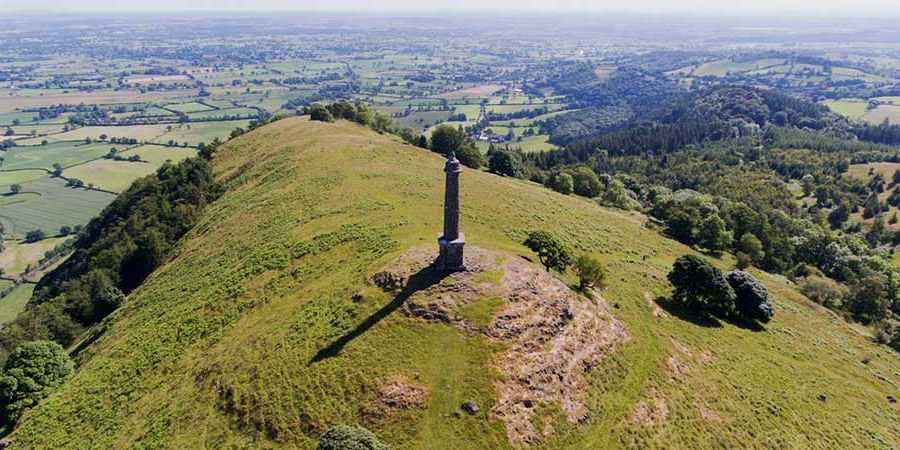
The Breidden Hills are an isolated group of three peaks above the right bank of the River Severn about 6 miles north east of Welshpool. The Breidden Hill is a volcanic feature, which dominates the area and stands over 1200ft high. Footpaths lead up to the summit with wonderful views of Shropshire & Wales. There are remains of an old hill fort en route which may have been the site of the last stand of Caractacus. Rodney’s Pillar, an obelisk commemorating Admiral Rodney’s victory over the French in 1782 stands at the top and was built by the gentlemen of Montgomeryshire who supplied oak from the area & shipped them down the river Severn to Bristol where Admiral Rodney’s fleet was built.
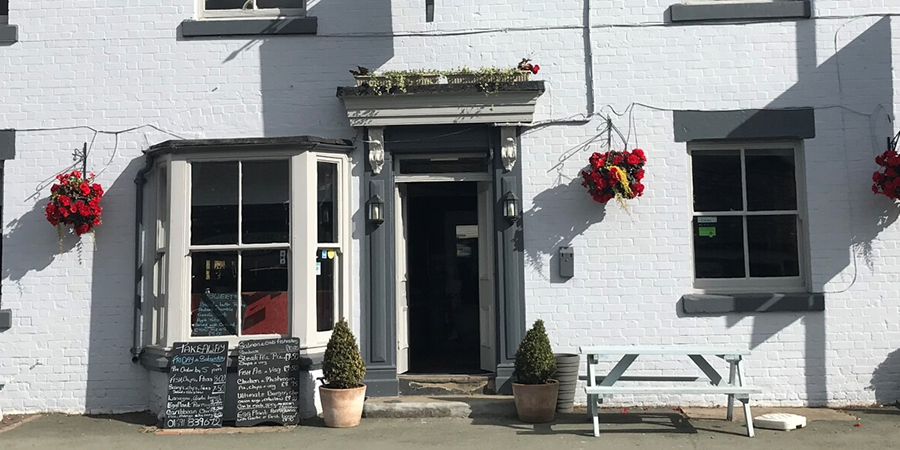
The Dolphin Inn have various menu styles for you to choose from so that you never have to go hungry again. With home cooked meals every day from our head chefs, quality and taste comes with every meal you choose.
Tel: 01691 839672
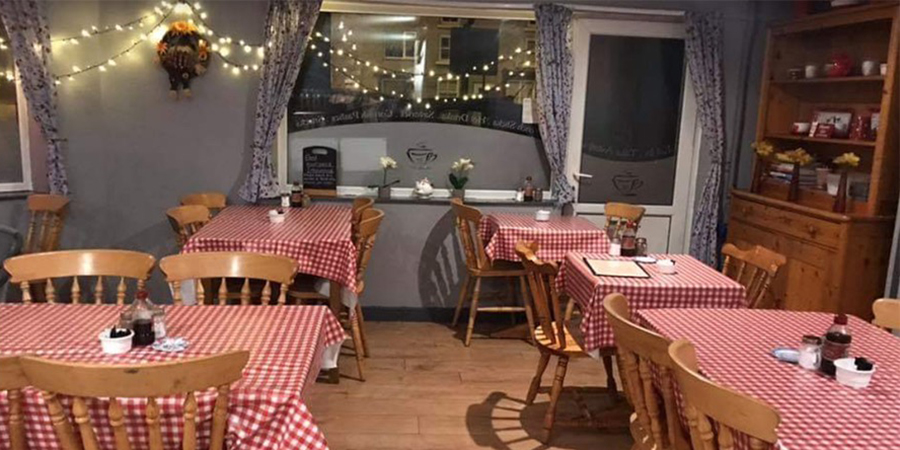
@VillagePantryCafeLlanymynech. Coffee and cake shop and the best bacon sandwiches and breakfasts around.
Tel: 01691 839927
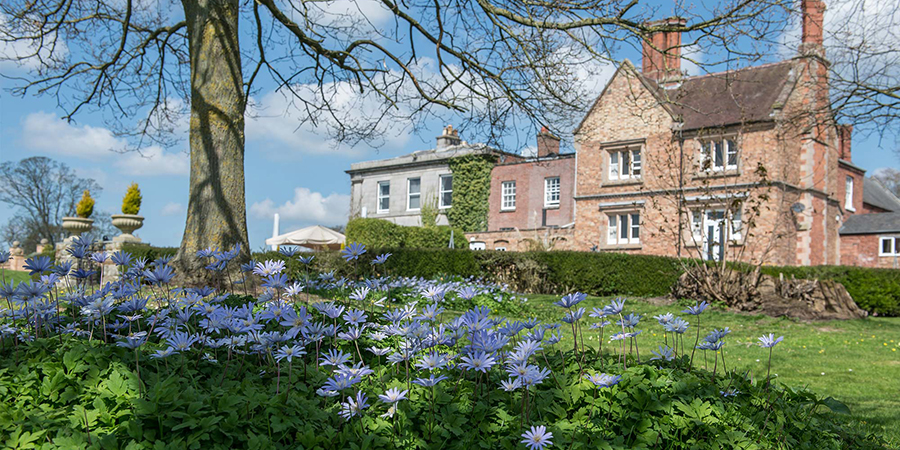
The Sweeney is not only a fantastic country house hotel but also a fine dining venue. Our restaurant has an enviable reputation that’s spread beyond the Shropshire borders – something that our team is extremely proud of.
Tel: 01691 652450

The Bengal Spices Restaurant is situated between Welshpool and Oswestry and is the perfect venue for an evening out in this refurbished contemporary Indian restaurant. Entertain your family and friends, and choose from one of the Chefs Specials including the Jaipur Chicken from Rajasthan and Murgh-e-Laziz—a chicken dish from northern Indian, rich in spices and herbs.
Call: 01691 830170
The Plaice Fish and Chip shop (Collection only)
Call: 01691 676333
Oswestry Tandoori
Call: 01691 658080
Jolly Garden Chinese
Call: 01691 655888
Prezzo’s Italian Restaurant
Call: 01691 650932
USA Fried Chicken Chicken, Kebabs, Burgers and Pizzas
Call: 01691 680611